

Renovation
Home Loans
1
2
3
4
5
6
Documentation Stage

Welcome to the first step in the mortgage process!
The first step in the mortgage process is the documentation stage, where we review your income, assets, employment history, and other compensating factors to determine your ability to repay a mortgage loan.
This is also an opportunity for you to examine the overall financial impact that a new mortgage will have on your total monthly budget, so that you can choose a loan amount and mortgage program that you are most comfortable with.
Our goal is to obtain a speedy approval. The more thorough you are in preparing your paperwork, the faster we can move together on getting your loan approved and funded.

Approval Pitfalls
We believe communication is the key to a smooth mortgage process and we will will hold your hand from the start all the way to closing. While there are a number of factors outside of your control that can delay or prevent a home loan from closing, the following list will help you stay on the right path.
Do:
- Keep your records in good order
- Keep your financial records close at hand
- Be aware that we need to verify income documents
- Save bank statements Save paystubs
Don’t:
- Apply for new credit
- Change jobs during the process
- Make undocumented bank deposits
- Payoff debt, charge offs of collections without notification
- Hesitate to reach out and ask questions
While you are in the process of getting a new mortgage, keep your financial status as stable as possible until the loan is funded and recorded. Any number of minor changes could easily raise a red flag or cause a negative impact on a credit score, and we want to do everything we can to avoid a denied loan.
A few documents we’ll likely need to review include:
Income / Assets:
- W2’s – from the last two years
- 1040 federal tax returns – from the last two years
- Two recent pay stubs
- Two recent bank statements – all pages
- Self-Employed: K1 / 1099 / Profit and Loss YTD
Housing:
- Current and previous addresses for the previous 2 years
- Leasing: name and phone number of landlord(s)
- Investor: copy of lease agreements on rental properties
Other:
- Copy of your driver’s license or state-issued ID for all borrowers
There may also be required documents we may need to review depending on your specific scenario.
Appraisal Stage

Understanding Residential Real Estate Appraisals
A critical component to buying a home is the appraisal. An appraisal is a third-party professional evaluation of the value of a property that is used to help determine the amount of a loan. In compliance with government regulation, appraisers hired for a mortgage transaction on a conforming loan are chosen from a pool of qualified appraisers at random. Neither the borrower nor lender have the flexibility of deciding which appraiser will inspect your home.

Appraisals 101
A few key components of an appraisal
The Site: Location, view, topography, lot size, utilities, zoning, external factors, highest and best use, landscaping features…
Design: Quality of construction, finish work, fixed appliances, and any defining features…
Condition: Age, deterioration, renovations, upgrades, added features…
Health and Safety: Structural integrity, code compliance… Size: Above grade and below grade improvements…
Neighborhood: Is the property comparable to others in the neighborhood?
Functional Utility: Is the property functional as built – style and use?
Parking: Garages, carports, shops, etc..
Other Factors in Determining Value:
Curb appeal, lot size, and conforming to the neighborhood are obvious to the appraiser when they drive down into the neighborhood and pull up in front of your home.
Underwriting Stage

What to expect from processing & underwriting
As soon as your purchase offer has been accepted by the seller, the clock starts ticking on a number of tasks that have to be completed within the “due-diligence” period, a timeline detailed in the purchase contract. A full underwritten approval by the lender, an appraisal, and home inspections (depending on the loan type and contract) are the first three major requirements that need to be met when purchasing a home.
A few items obtained during the underwriting stage:
- Appraisal
- Updated Title
- Escrow Amounts
- Loan Payoffs
- Additional Property Liens
- Taxes
- HOA Paperwork
- Additional Loan Paperwork


Things to know
It’s important to have all of your updated paperwork ready to go as soon as possible. This may mean providing updated pay stubs and bank statements the moment they become available throughout the underwriting process.
The underwriters will evaluate the property, title, and the information and documents you provided once your final loan package has been submitted. This can take anywhere from a few days to several weeks to determine final approval and a conditions list, which could include a final letter of explanation for findings on a credit report, an official verification of employment, and an updated hazard insurance policy provided by your home insurance agent.
Please do not make changes to credit or employment, such as:
- No major movement in your bank accounts
- No new credit applications or paying off old collections
- No financing new furniture and/or appliances

Conditional Approval

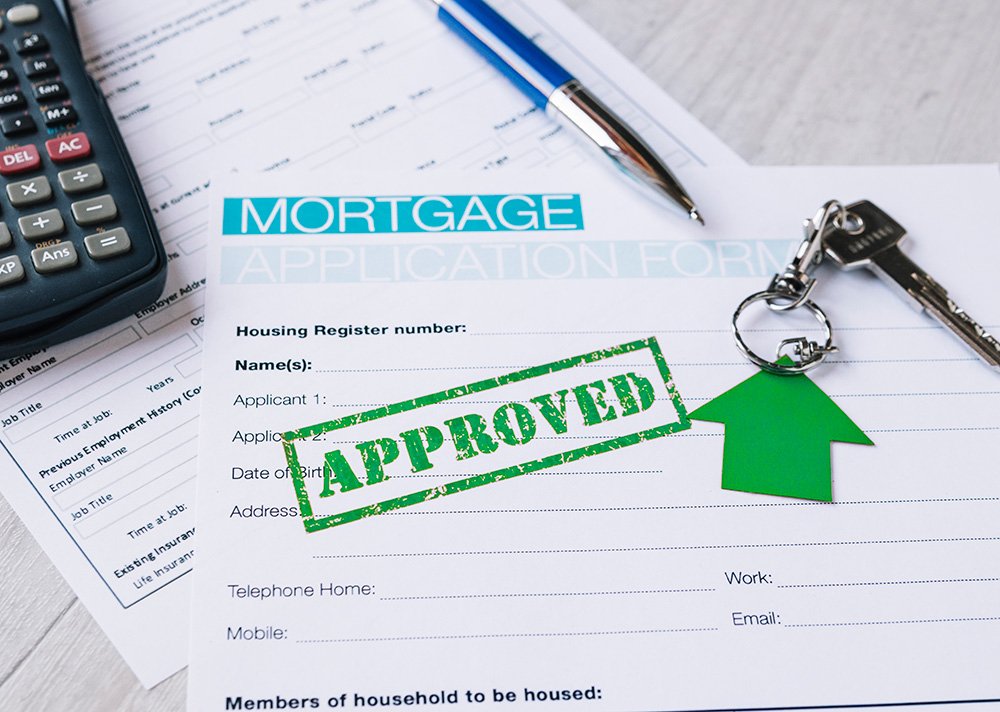
Underwriting has conditionally approved your loan file!
The “Conditional Approval” milestone is an important step in the purchase loan process because is means that an underwriter has reviewed your complete file and is giving us a list of final documentation to submit prior to closing.
While we handle most of the steps at this stage of the process, we ask that you keep your financial documents handy in case we need them.
That’s about it! Just remember not to make any major changes to your finances, such as large purchases or new lines of credit.
This is great time to start planning for any utilities and servitces you may need to set up, as well as the physical move itself. So sit back and relax…we’ve got this part covered and we’ll let you know if we need anything!
Clear To Close

Preparing for a Successful Closing
It’s time to get you to the closing table! The final step in funding your loan or “closing” on your purchase is where all final documents are signed, last minute underwriting conditions are met, and money is exchanged.
At this point in the mortgage process, all inspections and appraisals have been completed, initial contracts and documents have been reviewed through underwriting, and it is time to sign your final documents.

What to be prepared for at closing
The closing table is where the you (the borrower) sit down with a notary, escrow agent, or attorney to complete the transaction.
- Schedule your appointment: You’ll need to be ready to take enough time to sign all of your loan closing documents and have your questions answered. Try to leave a few hours open after your closing appointment to prepare for delays so that you aren’t rushing through the important process of reading and understanding what you are signing.
- Funds to close: If it is required for you to bring in the down payment and/or pay for closing costs to finalize the transaction, you’ll need to bring a certified check from a bank, or wire funds directly to the title/escrow company. PRIOR to wiring any money please call the title company/attorneys office directly to confirm instructions. The escrow company, your agent, and I should provide you with a full breakdown of all fees and costs involved in the transaction. If you don’t have to bring in any funds to close, then you might actually be getting a portion of the earnest money deposit back. Keep in mind, it is important to make sure these funds to close come from the proper sources.
- Updated documentation: If you have not already provided us with updated paystubs or bank info, we may ask that you bring it to closing and have any other final documentation sent back with the final signed loan documents.
- Proof of identification: Official driver’s license or state-issued ID card.
Closing

Congratulations!
You’ve done it! At the closing table, you will be signing the final documentation, signing your title documents, and receiving the keys to your new dream home.
Going forward, always feel free to reach out with any questions you may have about real estate in general. We would love to work with you again on your next purchase or refinance, so please stay in touch if there’s anything we can do for you in the future!